

Propeller Rudder & Stern Gear Surface Preparation


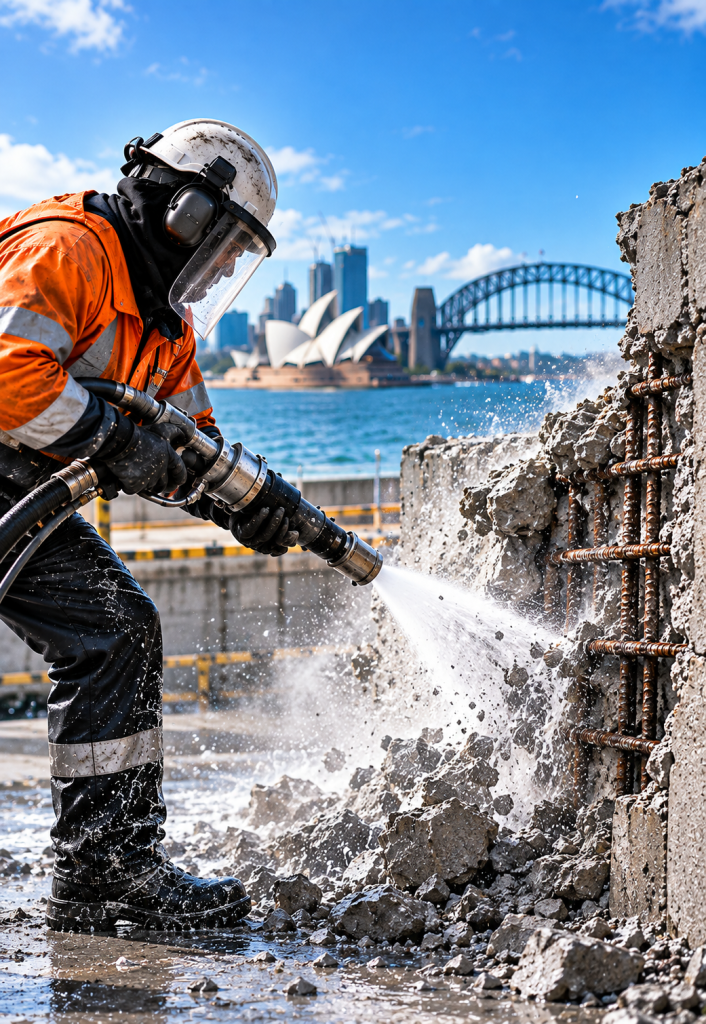
Professional Propeller Rudder And Stern Gear Surface Preparation
A fouled propeller is the quietest fuel leak on your vessel, and it rarely shows up until the consumption numbers are already bad. Propeller cleaning services from H2O Quantum Tech restore blade surfaces to a smooth, efficient finish without altering the profile your naval architect specified. Rudder surface preparation follows the same discipline, giving your coating and inspection teams clean, sound steel to work with. Our crews handle shaft cleaning services, bearing housings and thruster tunnel cleaning during the same visit, so one mobilisation covers your whole stern gear package. Managers searching propeller cleaning near me across Australian ports find one team with the pressure control and marine experience to touch running gear safely, in dock or alongside, without the risk of losing blade geometry.
The Fuel Bill Hidden In A Fouled Propeller
Blade roughness matters more than blade area when it comes to propulsive efficiency. A thin layer of slime and calcareous growth disrupts flow across the pressure face, and your engine compensates with extra revolutions and extra fuel for the same delivered speed. Marine growth removal propeller work gets deferred because the vessel still makes its schedule, so the loss stays invisible on the bridge and appears only in consumption reports. Fouling also encourages cavitation, and cavitation erosion turns a straightforward cleaning job into blade repair. On rudders, growth traps moisture against damaged coating, and pitting develops around the stock and pintle areas where inspection access is worst. None of that improves while you wait for the next docking, and the longer the growth stays attached, the harder it becomes to remove without touching parent metal.
Why Hand Scraping Ruins Blade Profiles And Balance
Propeller blades are precision surfaces, and hand tools simply do not respect them. Scrapers leave score lines that increase roughness permanently, and every one of them costs you efficiency. Grinders and abrasive discs remove metal unevenly across the blade, altering camber and pitch and putting the whole assembly out of balance. Grit blasting is far too aggressive for bronze and stainless running gear and embeds abrasive particles in the surface. Chemical cleaners struggle with calcareous growth and create disposal problems dockside. Propeller polishing services done properly use controlled water pressure and graded polishing, so no parent metal is lost and geometry is preserved. Cavitation damage preparation demands the same restraint before any weld repair begins.
Controlled Pressure Cleaning That Protects Blade Surface Geometry
Every job starts with an assessment of alloy, growth type and existing surface finish, which sets the pressure and standoff distance we work at. Rudder blasting services then remove growth, salt and failed coating from rudder plating, while stern gear cleaning clears shafts, boss housings and tunnels. Blades are cleaned progressively rather than aggressively, then finished to a smooth surface that reduces drag and delays refouling. Where coating or weld repair follows, marine surface preparation Australia standards are met and recorded, so your contractor inherits a verified substrate. Our propeller cleaning Sydney and Perth crews work dry dock and alongside, fitting the dockings and short windows your operating schedule allows, with results measured and photographed before the vessel goes back into service, so you hold evidence of the condition you paid for.
What Improves Immediately After Your Stern Gear Treatment
- Blade surfaces regain the smooth finish efficiency depends on
- Fuel consumption and engine load fall at identical speeds
- Blade geometry, pitch and balance stay exactly as designed
- Rudder and shaft surfaces are ready for immediate coating
- Cavitation damage is exposed clearly for accurate repair decisions
- No abrasive is embedded in bronze or stainless surfaces
- Stern gear, thrusters and tunnels handled in one mobilisation
- Refouling slows because surfaces are left genuinely smooth
- Inspection and class requirements are fully documented on completion
What Vessel Managers Ask About Propeller Cleaning Work
Will Cleaning Change The Balance Of My Propeller
No. We remove growth and deposits, never parent metal, so pitch, camber and balance stay exactly as designed. Pressure and technique are set against your specific alloy before work begins.
Can You Prepare Rudders For Coating And Inspection
Yes. Rudder plating, stock areas and pintle housings are cleaned to a sound, chloride free profile suitable for coating application or for non destructive testing access and reporting.
How Often Should Propellers Be Cleaned And Polished
Most operators see clear returns from cleaning every six to twelve months, depending on trading area, idle time and water temperature. Vessels in warm coastal waters foul considerably faster than that.
Do You Work In Dock Or Alongside Berth
Both. Full stern gear preparation is best completed in dry dock, while cleaning and polishing can be carried out alongside wherever port permissions and water conditions allow it.
Contact Form
