Professional Marine Corrosion Removal Services
H2O Quantum Tech Removes Salt Corrosion From Vessels
Salt does not take a season off. Chlorides sit in every pit and every weld toe, and they keep the corrosion cell running long after the vessel is out of the water.
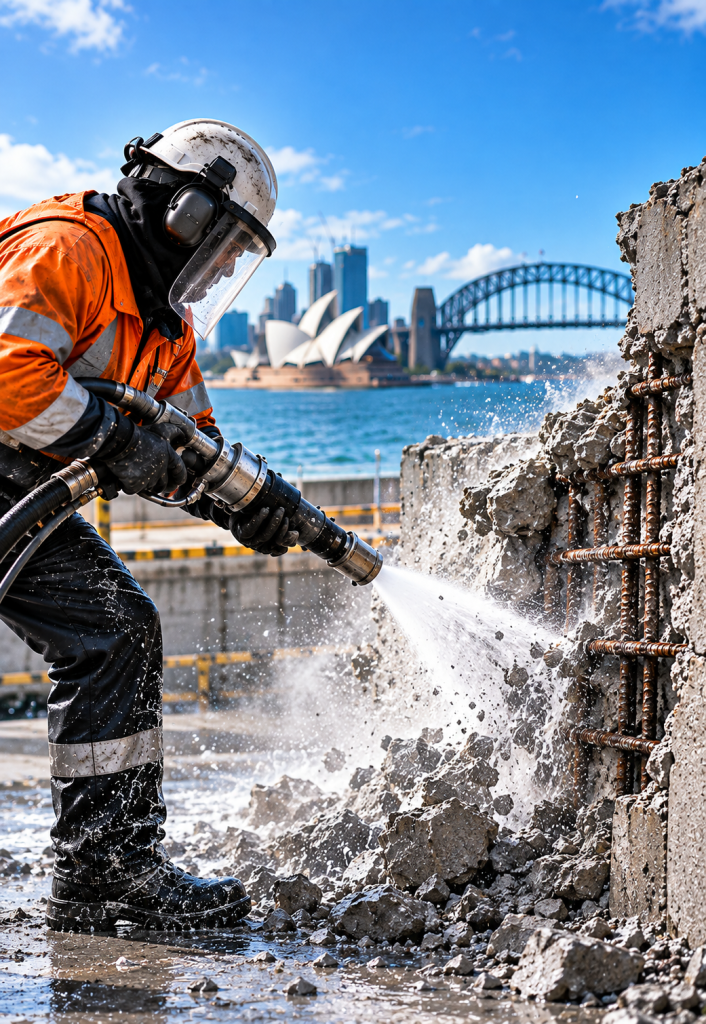
At H2O Quantum Tech we provide marine corrosion removal services using ultra high pressure water, which strips rust, antifoul, failed coating and, critically, the soluble salt that abrasive blasting leaves behind. Our crews work hulls, decks, ballast and cargo tanks, hatch coamings, propellers, rudders, offshore modules and platform structures. If you are searching ship hull cleaning near me with a dry dock slot already booked, our teams cover Sydney, Perth and regional Australia and mobilise inside 48 hours.
What Salt Water Does While Your Vessel Trades
Corrosion in a marine environment does not spread evenly, it concentrates. Pitting drives into plate at weld toes, around fittings and anywhere coating has been damaged by berthing or cargo work. Ballast tanks corrode from the inside where nobody looks between surveys. Fouling adds drag, and drag adds fuel burn on every voyage. By the time class inspection finds the thickness loss you are looking at steel renewal, a longer dock period and a survey condition on the vessel. Operators who search marine rust removal near me mid dock are usually trying to recover a programme that has already slipped.
Why Standard Rust Methods Fail On Marine Steel
Grit blasting cleans the surface visually and leaves chlorides in the pits, which is precisely why new coating blisters within a year on hulls that looked perfectly prepared. It also removes plate thickness from steel that may already be close to its renewal limit, generates spent media across the dock and needs full containment. Chemical treatment brings its own waste and exposure problems in a confined dock environment. Our UHP hull cleaning services use water only, so salts are flushed out of pitting rather than sealed in, thickness is preserved, and there is no media to recover from the dock floor.
How We Blast Hulls Without Thinning Your Plate
The setting comes first, always. Our supervisor confirms plate condition, coating system and the standard your paint supplier requires, then proves pressure and nozzle configuration on a trial area. Rotating heads and hull crawlers cover large flat areas, lances handle tanks, frames and confined sections, and remote units work underwater and in tight structural spaces. Vessel hull blasting services run to a consistent finish across the full area, and our ballast tank corrosion removal crews work inside tanks with the ventilation, gas testing and rescue arrangements that confined entry demands. Saltwater corrosion treatment services finish with salt testing so you know the surface is genuinely clean, not just bright.
Why Ship Owners And Operators Book Our Crews
Dock time is the most expensive clock on the job and we are set up to protect it. Our shipyard surface preparation contractors work continuous shifts alongside your other trades, and coating can follow immediately behind the clean. Our marine corrosion removal Sydney and ship hull cleaning Perth teams handle waste capture, filtration and licensed disposal, which keeps the port authority and the EPA satisfied. Offshore equipment cleaning Australia wide extends to platform decks, risers, splash zone structures and modules, and our offshore platform corrosion cleaning and marine coating removal specialists mobilise to vessels, yards and offshore assets rather than working from one fixed base.
What Your Vessel Gains From Our Corrosion Programme
- Your plate keeps its thickness because water removes corrosion, not sound steel.
- Your soluble salts are flushed out of pitting instead of sealed under new paint.
- Your new coating system reaches design life on a properly cleaned surface.
- Your dock floor stays clear of spent abrasive media and recovery work.
- Your ballast and cargo tanks are cleaned under proper confined entry controls.
- Your waste is captured, filtered and disposed of under licence by our crew.
- Your dock programme holds because our crews run continuous shifts.
- Your survey file receives salt test results, photographs and written sign off.
- Your enquiry is answered 24/7 across Sydney, Perth and regional Australia.
Speak To Our Marine Corrosion Specialists Right Now
Every voyage between now and the clean adds pitting depth and fuel burn. Dock slots do not move and steel renewal only gets more expensive once class puts a condition on the vessel. Our specialists will attend the vessel or yard, assess corrosion and coating condition and give you a fixed scope and duration. Contact H2O Quantum Tech now to secure your dock window.
Our Five Stage Marine Corrosion Removal Sequence Explained
Frequently Asked Questions
Will Water Blasting Thin My Hull Plate Steel
No. Water removes corrosion products, antifoul and coating without cutting sound steel, which is the main reason it is preferred on vessels approaching renewal limits. Grit blasting cannot make that claim because it works by abrading the surface.
Can You Work In Dry Dock And Afloat
Yes. Our crews work dry dock, slipway and alongside, and remote units handle underwater and confined structural areas. We plan around your dock programme and other trades so the clean is not the item holding everything else up.
How Do You Contain Paint And Corrosion Waste
Water and removed material are captured, filtered, pH corrected where required and disposed of under licence. That keeps the yard, the port authority and the environmental regulator satisfied, and it means no spent abrasive is left across the dock floor.
How Fast Can You Mobilise To Our Vessel
Equipment is staged in Sydney and Perth and most mobilisations happen within 48 hours of scope approval, with 24 hour attendance available for emergent dock work. Our crews travel to yards and offshore assets across Australia.
Contact Form